Is it Worth Investing in Bulk Wholesale Lingerie for Online Stores?
The online lingerie market is not a playground for the timid. It is competitive, fast-moving, and brutally honest about one thing: only sellers who control cost, quality, and supply chains survive. If you run an online store—or plan to—one question will inevitably confront you sooner or later: Is it worth investing in bulk wholesale lingerie?
The short answer is yes—but only if you understand the system behind it, not just the surface-level price tags. Bulk purchasing is not about gambling on inventory; it is about strategic leverage. When done correctly, investing in Wholesale Lingerie gives online sellers pricing power, brand stability, and scalability that small, piecemeal sourcing can never deliver.
This article cuts through marketing fluff and false promises. It breaks down wholesale services, customization, and manufacturing with precision, showing exactly where the value lies—and where mistakes can destroy margins overnight.
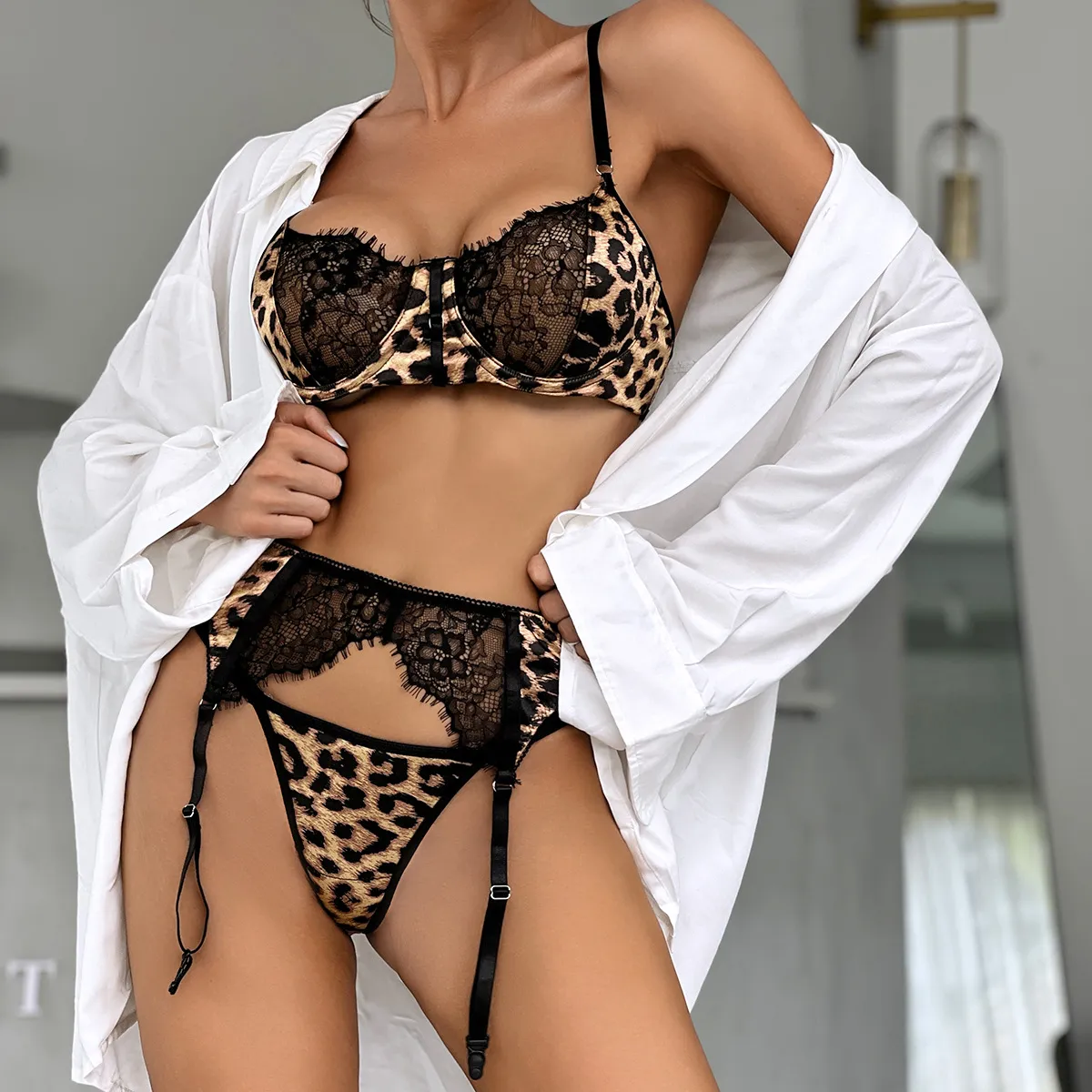
Wholesale Services: The Backbone of Profitable Online Lingerie Stores
Wholesale services exist for one reason: to move large volumes efficiently at lower unit costs. They are designed for retailers, online store owners, marketplace sellers, and social commerce operators who need consistent stock and predictable pricing.
At the core of wholesale lies a simple truth: the more you buy, the less you pay per unit. This tiered pricing structure is what gives online sellers room to breathe in an environment where ad costs are rising and customer loyalty is fragile.
For online stores, sourcing Wholesale Lingerie through professional wholesalers offers several decisive advantages.
First, volume pricing creates instant margin protection. Whether you are selling Wholesale Bras, Wholesale Underwear, or Wholesale Shapewear, buying in bulk lowers your cost base. That difference allows you to compete on price without racing to the bottom—or to maintain premium pricing while enjoying healthier profits.
Second, modern wholesalers are no longer limited to rigid, single-style cartons. Many suppliers now support mixed styles and mixed sizes within bulk orders. This flexibility is essential for online sellers who test multiple SKUs or cater to diverse customer segments. Instead of locking cash into one risky design, you can spread inventory across different cuts, colors, and sizes.
Style diversity is another decisive factor. Strong wholesale partners offer everything from basic daily essentials to fashion-forward pieces, seasonal collections, and functional lingerie such as shaping, seamless, or sports designs. This is particularly important for stores selling Wholesale Shapewear, where trends shift quickly and fit performance directly impacts return rates.
Size coverage is no longer optional. Online consumers demand inclusivity, and wholesale suppliers that fail to provide extended sizing quickly become obsolete. Reliable wholesalers cover standard sizes, extended fits, and specialized categories like Plus Size Lingerie Wholesale, allowing online sellers to reach underserved but highly loyal customer bases.
Speed is another competitive weapon. Many wholesalers operate ready-stock warehouses capable of fast dispatch, which is critical for online stores promising short delivery windows. Others offer scheduled replenishment systems that synchronize production with your sales cycles, reducing stockouts and dead inventory.
Minimum order quantities (MOQ) vary depending on fabric, design complexity, and customization needs. Entry-level wholesale orders may start from dozens of sets, while deeper discounts unlock at hundreds or thousands of units. Understanding MOQ thresholds is not a burden—it is a strategic tool for cost optimization.
In short, wholesale services are not just about cheaper lingerie. They are about operational stability, inventory efficiency, and pricing control—three pillars no online store can afford to ignore.
Customization Services: Turning Products into Brands Instead of Commodities
Selling generic products is a race to zero. Customization is where online lingerie stores stop competing on price alone and start building identity.
Customization services are designed for brands, designers, influencers, and niche sellers who want more than off-the-shelf inventory. This is where Custom Lingerie transforms an online store from a reseller into a recognizable label.
The most obvious advantage is creative freedom. Customization allows sellers to define styles, fabrics, colors, prints, lace details, and structural elements. Whether you want minimalist everyday bras or bold statement pieces, custom production turns vision into physical inventory. Suppliers typically accept design files or physical samples, giving sellers full control over execution.
Branding is where customization becomes a profit amplifier. OEM and ODM services allow private labeling with custom logos, hangtags, wash labels, and packaging. When customers associate quality and fit with your brand name—not a generic product listing—repeat purchases follow naturally.
Customization also enables precise size and fit adjustments. This is especially valuable for niche segments such as Plus Size Lingerie Wholesale, post-surgery collections, or functional shaping garments. Mass-market sizing often fails these customers; customized grading wins their loyalty.
However, customization demands patience. Unlike ready-stock wholesale, custom orders involve design confirmation, sampling, revisions, and production scheduling. Lead times typically range from 15 to 45 days or longer, depending on complexity and order size.
This longer cycle is not a disadvantage—it is a strategic trade-off. Customization reduces direct price competition, strengthens brand equity, and increases perceived value. Online stores that rely solely on speed often burn out. Stores that invest in Custom Lingerie build long-term defensibility.
Customization is not for sellers chasing quick wins. It is for those building businesses meant to last.
Manufacturing Capabilities: Where Control, Quality, and Scale Converge
Manufacturing is the engine behind everything. Whether you are buying Wholesale Bras or launching a fully private-label line, manufacturing capabilities determine quality consistency, scalability, and risk management.
Professional lingerie manufacturers operate end-to-end production systems. This includes fabric cutting, stitching, lace application, bonding, heat pressing, and finishing. Advanced equipment ensures precision, durability, and repeatability across large volumes.
Material selection is a defining factor. Manufacturers either source fabrics directly or work with supplier-approved materials. Cotton, silk, synthetic blends, lace, mesh, and eco-friendly textiles can be selected based on target market expectations. Stretch recovery, breathability, softness, and sustainability are no longer optional features—they are selling points.
Quality control is where serious manufacturers separate themselves from unreliable factories. Robust QC processes inspect fabric before production, monitor stitching during assembly, and perform final checks on appearance, measurements, and durability before packaging. For online sellers, strong QC directly reduces return rates and negative reviews.
Manufacturing scale must be flexible. Small-batch production suits emerging brands testing concepts. Large-scale manufacturing supports marketplaces and wholesale channels that demand thousands of units per SKU. The best partners accommodate both without compromising standards.
For sellers dealing in Wholesale Underwear or Wholesale Shapewear, manufacturing consistency is critical. Fit deviations of even a few millimeters can destroy customer trust. Reliable manufacturers maintain strict tolerances across production runs.
Manufacturing is not merely about output—it is about control. Sellers who understand manufacturing workflows make smarter decisions, negotiate better terms, and avoid costly mistakes.
The Real Verdict: When Bulk Wholesale Lingerie Is Worth It—and When It Is Not
Investing in bulk wholesale lingerie is not universally smart. It is smart under the right conditions.
It is worth it when you have demand validation, clear positioning, and a sales strategy capable of moving inventory. It is worth it when bulk pricing protects margins against rising advertising costs. It is worth it when your supplier offers reliable quality, size coverage, and replenishment options.
It is especially worth it for online stores selling Wholesale Lingerie across multiple categories—bras, underwear, shapewear, and extended sizing. Bulk purchasing enables assortment depth without price penalties.
It is worth it when combined with customization. Sellers who mix wholesale efficiency with Custom Lingerie branding gain both speed and differentiation—a powerful combination.
However, bulk investment is not worth it for sellers who chase trends blindly, ignore data, or lack cash-flow discipline. Overstock kills more online stores than competition ever will. Wholesale is a tool, not a guarantee.
The strongest online lingerie businesses treat wholesale, customization, and manufacturing as a unified system. They negotiate aggressively, plan inventory strategically, and build brands intentionally.
In today’s market, hesitation is more dangerous than calculated commitment. For sellers who understand the mechanics, bulk wholesale lingerie is not a risk—it is leverage.
And in e-commerce, leverage decides who scales and who disappears.


Comments
Post a Comment